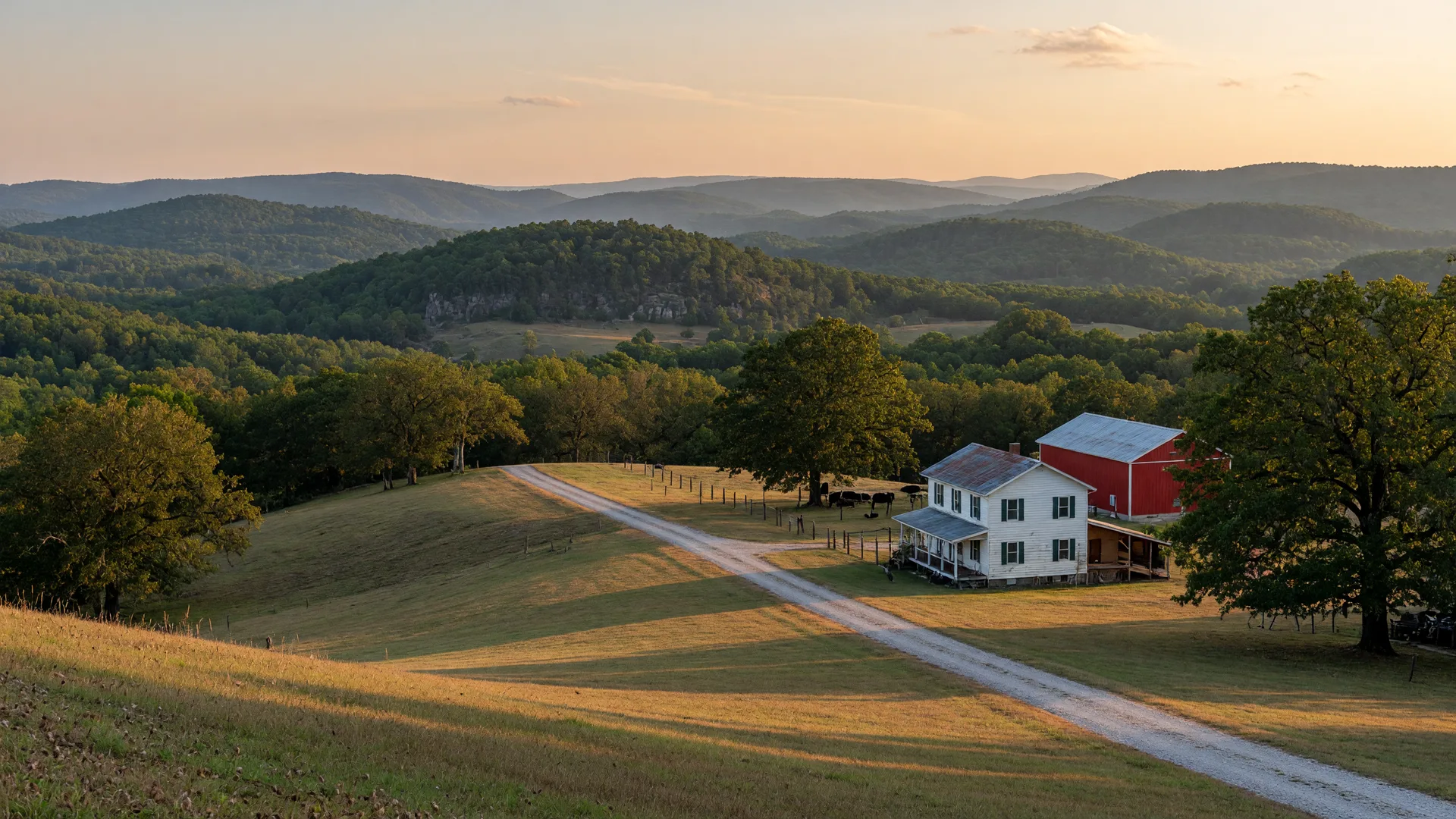
Moving to the Missouri Ozarks: What You Need to Know
Welcome. If you are researching a move to the Missouri Ozarks, you have found your guide. This page covers the communities of Southwest Missouri, Springfield-area living versus small towns, lakes and rural acreage, wells and septic, weather, taxes, and the practical first steps of a smooth relocation.
Welcome to the starting line.
Whether you are daydreaming from a kitchen table a thousand miles away or you already have a look-see weekend booked, you are exactly the person this guide was written for. The Missouri Ozarks reward people who do a little homework, and this page is your head start. The rest of this site, from things to do to places to eat and the local events calendar, fills in the fun around the edges. The long version is below. Take your time, pour a coffee, and settle in.
Why People Move to the Ozarks
Ask ten transplants why they came, and you will hear the same themes: land is affordable, traffic is a non-issue, the lake is twenty minutes away, and life slows to a friendlier pace. Here is what shows up again and again in most moving stories:
Lower Cost of Living
Housing, groceries, utilities, and everyday services cost less than the national average. The same paycheck goes further, and you get more house and land for your money than most big metros allow.
Outdoors Every Season
Hiking trails, sparkling lakes, rivers, caves, and state parks are all close. Everything in the Ozarks is a reasonable drive from everything else. Our things to do page is a good place to start planning weekends.
Friendly Towns
Festivals, parades, farmers markets, and ballgames keep the calendar full. Southwest Missouri runs on volunteerism and knowing your neighbors. The local events page is the fastest way to see how much community life happens on any given weekend.
Room to Breathe
From a tidy suburban lot to twenty acres of timber, there is a version of space here that fits almost any dream. Quiet mornings, stars at night, and room for the kids, the dogs, or the workshop to roam.
Springfield-Area Communities vs. Smaller Rural Towns
The single most useful question for a future Ozarker is a simple one: do you want the conveniences of a metro area, or the quiet of the countryside? The honest answer is that both are wonderful, and they are very different.
Springfield-Area Communities
Ozark, Nixa, Republic, Rogersville, and Springfield itself. Schools, hospitals, grocery stores, and coffee shops are all a short drive away, and neighborhoods range from tree-lined streets to new cul-de-sacs. City water, sewer, and fast internet are standard. You trade a little elbow room for a lot of convenience.
Smaller Towns & Rural Ozarks
Smaller communities like Hollister and Forsyth, and the crossroads towns beyond, give you more quiet, more land, and more self-reliance. You drive farther for groceries, many homes run on wells and septic, and the power may blink in the worst storms. In return you get privacy, lower costs, and neighbors who are farther apart but remarkably quick to help.
Communities Worth Knowing
Southwest Missouri is a collection of distinct towns, each with its own personality. Here is a locals' tour of the ones most people consider first, and a few worth discovering.
Springfield
Missouri's third-largest city and the unofficial capital of the region, with major hospital systems, Missouri State University, a lively food and craft beer scene, and easy access to the lakes and the airport. If your job, school, or medical needs draw you to the bigger city, Springfield keeps everything else within reach. Its food scene alone earns its own dining guide.
Ozark
The Christian County seat sits on the Finley River just south of Springfield, balancing a genuine small-town square with a growing retail corridor and newer neighborhoods. Schools draw families from across the county. The river is the heart of town: fishing, floating, and riverside parks are everyday life here.
Nixa
Just south of Springfield in Christian County, Nixa has grown fast for good reasons: strong schools, sidewalks nearly everywhere, newer neighborhoods, and a friendly small-town core. Families love the balance of space and convenience, and the commute into Springfield is painless.
Branson
The entertainment capital of the Ozarks, built on live shows, theme parks like Silver Dollar City, and the shores of Table Rock Lake. Living in Branson means tourist energy in summer and a surprisingly normal small-town life the rest of the year. If you like music and lake days, this is home base.
Hollister
Tucked across the water from downtown Branson, Hollister is the quieter, quirkier sibling. Its little downtown, with antique shops and cafes, carries heavy Route 66 flavor and is walkable in a way few places in the region are. The lakes and shows are minutes away, but the pace feels gentler.
Republic
West of Springfield along the historic Route 66 corridor, Republic blends small-town roots with a growing, commute-friendly bedroom community. You can live on an acre or two and still be twenty minutes from Springfield's hospitals and jobs.
Rogersville
Southeast of Springfield on the way toward the lakes, Rogersville is a classic small town surrounded by hills and farmland, close enough to commute and far enough to feel like country. James River float country is right around the corner, and the town keeps a friendly, no-frills character.
Forsyth
The Taney County seat, nestled near the lower end of Lake Taneycomo where the White River runs, Forsyth is a genuine small town with a riverside park and a front-row seat to lake country. Branson is minutes away, and Bull Shoals country is a short drive south.
The Broader Ozarks Region
Beyond the big names, Southwest Missouri is dotted with places like Kimberling City on Table Rock's shoreline, Cassville and Roaring River State Park, and the hilly communities of Stone, Webster, and Taney counties. If the Ozarks feel like home, start anywhere and let the back roads do the rest. The region rewards slow drives and friendly gas station conversations.
Lake Living & Outdoor Recreation
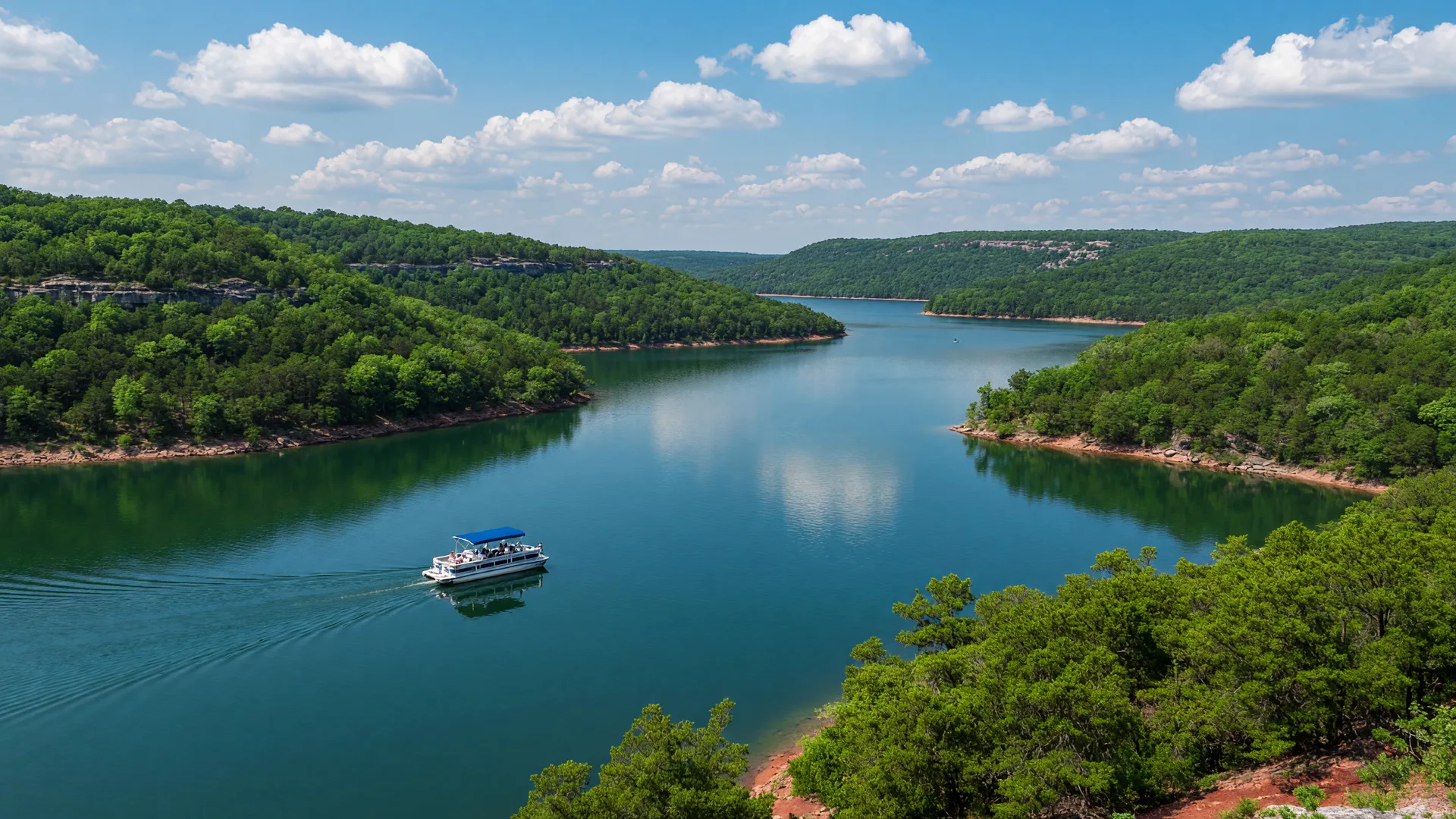
For many movers, the lakes are the whole point. Three big lakes anchor the region, each with a personality of its own, and they are surrounded by some of the best hiking, fishing, and floating in the Midwest. Check the things to do page for trails, caves, and family-day ideas.
Table Rock Lake
The crown jewel, stretching from the dam near Branson past Kimberling City and beyond: deep, clean water ringed by bluffs and trees. Boating, bass fishing, swimming coves, and waterfront homes from cabins to estates, and the most popular lake in the state.
Lake Taneycomo
Born from Table Rock Dam and running through the heart of Branson, Taneycomo is a cool, trout-stocked river-lake where fly fishing, drift boats, and riverside dining rule. It is the reason Branson looks the way it does.
Bull Shoals
A big, quiet reservoir straddling the Missouri-Arkansas line below Forsyth. Less developed shores, trophy striped bass, and solitude. If Table Rock is the popular kid, Bull Shoals is the quiet one with the huge backyard.
Rural Living Essentials
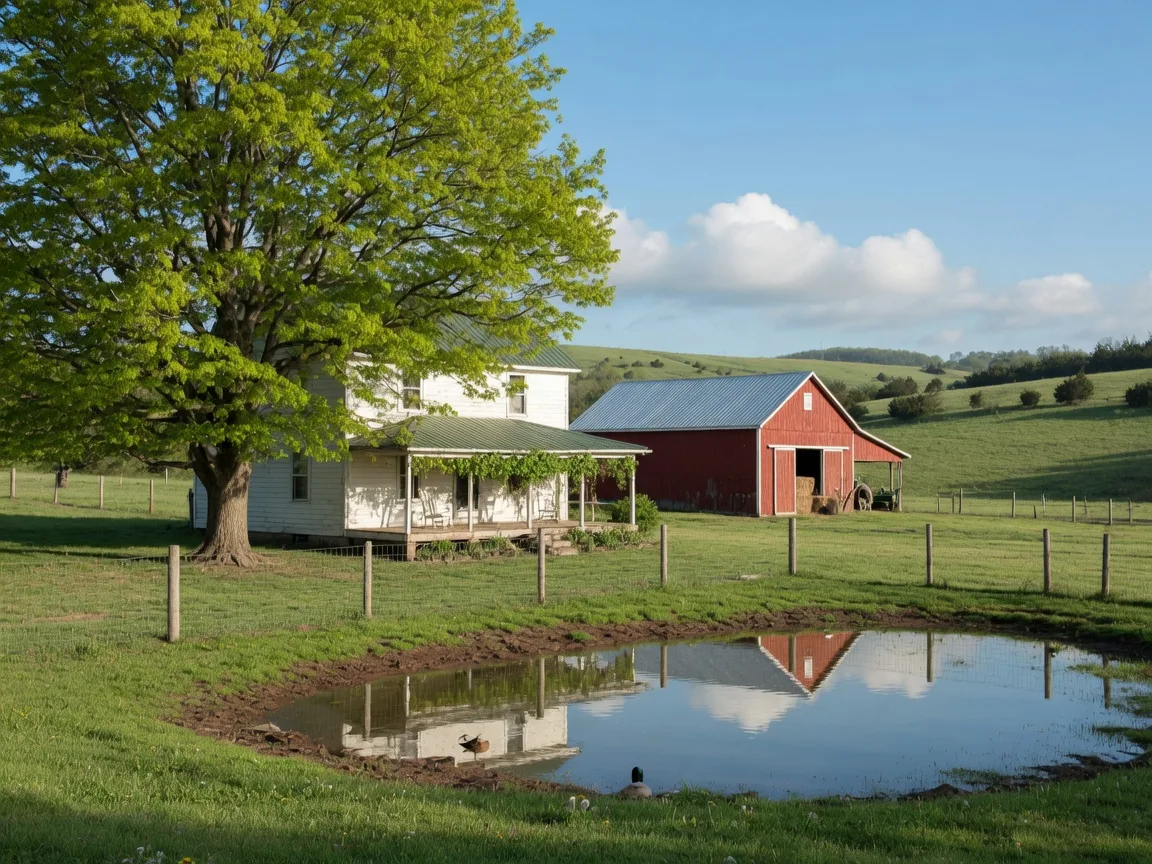
If you are moving from a city or suburb, rural living comes with a learning curve, and a good one. Here are the essentials people often do not see coming, in plain language.
Acreage
Rural listings are often sold by the acre, and the land varies: open pasture, rolling timber, creek frontage, or ridgetop views. Walk every acre you are serious about, and check how much is usable, how steep it is, where utilities come in, and how the ground drains. Time with the county assessor's map is worth it.
Private & Shared Wells
Most rural homes get water from a private well rather than a city line. Water quality varies by area, so a full test for bacteria, nitrates, and minerals is standard before closing. Ask about the well's age, depth, and pump. Some properties share a well between neighbors, which works fine when everyone understands the agreement, so get the details in writing.
Septic Systems
No sewer hookup out in the country means a septic system and drain field. Before you buy, the soil usually has to pass a perk test proving it can handle wastewater. Ask when the tank was last pumped, and plan on a pump-out every few years. A healthy septic is easy to ignore and expensive to ignore too long.
Private & Shared Roads
Many rural homes sit at the end of a private road or shared drive, which means the neighbors, not the county, keep it graded and graveled. Ask who plows in winter, who trims the trees, and how the cost is split. A documented agreement saves friendships.
Outbuildings
Barns, shops, and sheds are a big part of rural living. Look past the rust: a solid pole barn with power is worth more than a fancy garage that needs rebuilding. Check for rot, rodents, and wiring, and expect a permit or inspection when you add on later.
What Else to Expect
Trash pickup often means a trip to the transfer station instead of a curb-side can, and natural gas lines are rare outside towns, so heat often runs on propane or electric. Emergency response times are longer, and wildlife is not a decoration, it is a neighbor. Nowhere on earth is better for gardening, keeping bees, or raising kids who know what a real thunderstorm sounds like.
Internet, Utilities & Commuting
Internet
The question that surprises city people the most. In towns like Ozark, Nixa, Republic, and Branson, cable and fiber are common and fast. Out on rural acreage, options narrow to fixed wireless, satellite, DSL, or a growing patchwork of fiber. The golden rule: check the exact address, not the county, before you fall in love with a property.
Utilities
Springfield runs on its own city utility, and rural homes are typically served by a local electric co-op. Natural gas lines rarely reach the countryside, so heat often runs on propane delivered by truck, and water comes from a well or rural water district. Budget for the propane and you will never be surprised.
Commuting
Springfield is the job and shopping hub. Ozark and Nixa sit fifteen to twenty minutes south on Highway 65, Republic a similar drive west, and Rogersville a short shot east. Branson is about forty-five minutes south on US 65, a pretty drive most residents make happily. Within the region, everything is within the hour, and the only real traffic jam is the summer crush on the Branson strip.
Weather & Climate in Southwest Missouri
The Ozarks get four real seasons, which is exactly why so many people love it here.
Spring is a roller coaster: 70 one day, 45 the next, with spectacular dogwood and redbud blooms and serious thunderstorms mixed in. It is also severe-weather season, and locals keep one eye on the sky and a weather radio in the kitchen.
Summer is hot and humid, with afternoons in the nineties from July into August. The cure is the lake, the river, or the pool, and everyone uses all three.
Fall is the reward, and locals will tell you it is the best season in the country: crisp days, hill colors, and festival after festival.
Winter is mild by northern standards: a handful of snow days, occasional ice, and plenty of sunny 40-degree afternoons.
The practical takeaway: pack layers, respect the spring storms, and never trust a southwest Missouri forecast more than a day out.
Property Taxes & Cost of Living in Missouri
Missouri ranks among the more affordable states, and the property tax bill is often the quiet hero of a mover's budget. Residential property is assessed at 19 percent of its value, with the rate applied locally, so it varies by county, town, and school district. In practice, taxes on an average Ozarks home are modest compared with much of the country.
Missouri does collect a state income tax, so plan on it, but the overall cost of living is still broadly below the national average. Sales taxes lean the other way: local option taxes can push the rate at the register above the state's base, so everyday shopping adds up faster than the sticker suggests. Run your own budget for the specific town you are considering.
The honest part: tax figures change and every county is different. Use broad guidance like this to build a rough budget, then ask a local professional for current numbers before you commit.
What Does It Cost to Buy a Home in the Ozarks?
Here is the honest version: no two properties in the Ozarks are priced alike, and no single number stays true from month to month. What a buyer can expect is choice.
Springfield & the Suburbs
You are paying for location and convenience: established neighborhoods, new developments, and the tightest price-per-square-foot in the region. Schools, stores, and services are close by, and prices reflect the demand.
Smaller Towns
Move to Republic, Rogersville, or the edges of Ozark and Nixa, and the same money starts stretching further, usually with more lot, more garage, and more quiet.
Lake Communities
Around Branson, Hollister, and Kimberling City the premium is water. A modest waterfront cottage can cost multiples of the same house a mile up the hill, and views carry their own price tag.
Rural Acreage
The price is driven by land more than house. A solid house on five acres of timber can cost less than a townhouse in Springfield, while a view lot with utilities ready surprises you the other way. Access and well and septic condition matter enormously.
The best way to get real numbers is a current look at the local market with a local Realtor, which is a good reason to know one before you need one.
First Steps to a Smooth Move
The move itself is the easy part. The decisions before it are the work. Here is a checklist that saves most people real stress:
Get pre-approved first. Know your budget before you fall in love with a house. A local lender who understands rural property and rural tax bills is worth their weight in answered questions.
Spend a weekend driving the region. Visit your top two or three towns, look at the schools, drive the commute at 8 a.m., and eat lunch where you might actually live.
Check the address-level details. Internet availability, utility providers, school bus routes, flood zones, and septic potential. Addresses, not counties, decide these things.
Tour with a local Realtor. Someone who covers the whole region and will be honest about fit and value. Meet Dan on the about page.
Rent first if you are unsure. A year in a rental is a cheap education and lets you test a town before you commit.
Budget for the rural extras. Well testing, septic inspection, driveway gravel, and propane: the one-time and yearly costs of country living are real, but easy to plan for once you know they exist.

A Note From Your Local Guide
One quick, honest note before you go. I am Dan Cornell, a Southwest Missouri Realtor and the founder of Ozarks Sell4Less Real Estate. I work all over the region and spend my days helping people understand both traditional residential homes and the quirks of rural property: wells, septic, acreage, easements, the whole country-living toolkit. Read more about me here.
I built this guide because I genuinely believe the Ozarks is one of the best places in the country to land, and I would rather talk you out of the wrong property than sell you into it. If you are in the middle of the maybe, send me a note. I answer my own messages.
Ready to See the Ozarks for Yourself?
The best way to understand Southwest Missouri is to get out in it. Explore the communities, the lakes, the trails, and the dining rooms that make this region home.
Explore Ozarks CommunitiesAsk Dan About Moving to the Ozarks
No pressure, no sales pitch, no spam. If you are weighing a move, Dan is happy to answer questions about communities, acreage, wells and septic, or what a normal Tuesday looks like in the Ozarks. Tell him where you are coming from and what kind of life you are after.
More about Dan and the guideThanks for reaching out!
Dan will get back to you shortly. Welcome to the Ozarks, wherever your search takes you.
Something went wrong. Please try again, or reach out directly at dan@cornellsells.com.